Blog

  • The Ultimate Homemade Sourdough Bread

    Crusty on the outside, soft and tangy on the inside

    There’s something deeply satisfying about baking your own sourdough bread. From nurturing your starter to pulling a golden, crackling loaf out of the oven, the process feels almost magical. And the reward? A loaf with a rich flavor, chewy texture, and that signature sourdough tang you just can’t get from store-bought bread.

    Whether you’re a beginner or looking to refine your technique, this guide will walk you through everything step by step.


    🥖 What Makes Sourdough Special?

    Unlike regular bread, sourdough uses wild yeast and natural fermentation instead of commercial yeast. This gives it:

    • A deeper, slightly tangy flavor
    • Better digestibility
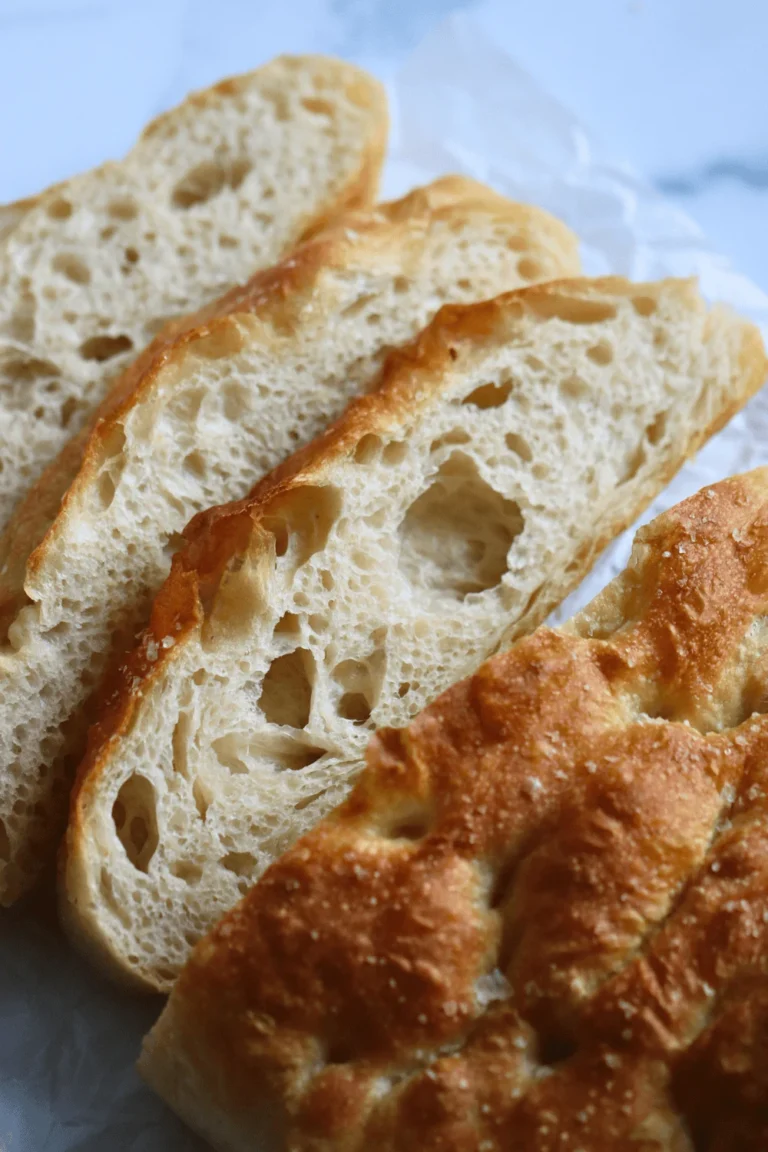
    • A beautifully airy crumb
    • A crisp, artisan-style crust

    🌾 Ingredients

    You only need a few simple ingredients:

    • 500g bread flour (or all-purpose flour)
    • 350g water (room temperature)
    • 100g active sourdough starter
    • 10g salt

    🧪 Before You Start: Your Starter

    Make sure your sourdough starter is:

    • Active and bubbly
    • Doubled in size within 4–6 hours after feeding
    • Passes the “float test” (a small spoonful floats in water)

    If it’s not ready, your bread won’t rise properly.


    🍞 Step-by-Step Instructions

    1. Mix the Dough

    In a large bowl:

    • Combine water and starter, mix well
    • Add flour and mix until no dry bits remain

    Cover and let it rest for 30–45 minutes (this is called autolyse).


    2. Add Salt

    Sprinkle salt over the dough and mix it in thoroughly. The dough will feel smoother and stronger.


    3. Stretch and Fold

    Instead of kneading, use the stretch-and-fold method:

    • Grab one side of the dough, stretch it up, fold it over
    • Rotate the bowl and repeat

    Do this every 30 minutes for about 2–3 hours (4–6 rounds total).


    4. Bulk Fermentation

    Let the dough rise at room temperature for 4–6 hours until:

    • It becomes puffy
    • Has visible bubbles
    • Has increased in size (not necessarily doubled)

    5. Shape the Dough

    • Lightly flour your surface
    • Gently shape into a round or oval
    • Let it rest for 20 minutes
    • Tighten the shape by pulling it toward you

    Place into a floured proofing basket or bowl.


    6. Cold Proof (Overnight Magic ✨)

    Cover and refrigerate for 8–12 hours.

    This step enhances flavor and makes scoring easier.


    7. Bake

    Preheat your oven to 250°C (480°F) with a Dutch oven inside.

    • Transfer dough onto parchment paper
    • Score the top with a sharp blade
    • Place into the hot Dutch oven

    Bake:

    • 20 minutes covered
    • 20–25 minutes uncovered (until deep golden brown)

    🔥 Pro Tips for Perfect Sourdough

    • Don’t rush fermentation — flavor develops with time
    • Use a kitchen scale for accuracy
    • Practice scoring for beautiful designs
    • Let bread cool completely before slicing (this is crucial!)

    😍 What to Expect

    Your final loaf should have:

    • A crispy, crackling crust
    • Open, airy crumb
    • Slightly tangy aroma
    • Beautiful artisan look

    🍽️ Serving Ideas

    Enjoy your sourdough with:

    • Butter and honey
    • Avocado toast
    • Soup or stew
    • Toasted with jam
    • Sandwiches

    💬 Final Thoughts

    Sourdough baking is a journey, not just a recipe. Your first loaf might not be perfect—and that’s okay. Every bake teaches you something new. Stick with it, and soon you’ll be baking loaves that rival artisan bakeries.

  • Sourdough Danish Rye Bread (Rugbrød)

    If you’ve ever admired the beautiful open faced sandwiches of Scandinavia, this bread is where it all begins. Danish Rugbrød is a dark, hearty sourdough rye bread packed with whole grains and seeds, known for its deep flavor, moist crumb, and long keeping quality. It’s the foundation of classic Nordic smørrebrød and a staple in Danish homes.

    This recipe is straightforward and dependable, relying on an overnight fermentation to develop flavor without complicated steps. The result is an authentic loaf that slices thin, holds toppings beautifully, and tastes even better the next day.


    Equipment Needed

    • Kitchen scale
    • Heavy-duty stand mixer
    • Pullman loaf pan with lid (13 x 4 inches)

    Ingredients

    Ingredients for the Night Before

    For the Levain

    • 300 grams dark rye flour
    • 100 grams bread flour
    • 350 grams water
    • 70 grams ripe sourdough starter

    For the Soaker

    • 75 grams rye chops or 7-grain hot cereal
    • 1 cup raw sunflower seeds (131 g)
    • 1 cup raw pumpkin seeds (142 g)
    • ½ cup flax seeds (65 g)
    • 285 grams water

    Ingredients

    • All of the levain
    • All of the soaker
    • 200 grams dark rye flour
    • 130 grams bread flour
    • 180 grams water
    • 18 grams salt
    • 2 tablespoons molasses

    Instructions

    The Night Before

    In a medium bowl, combine all the ingredients for the levain. Stir until fully mixed—the texture will be very thick, similar to wet cement. Cover and leave at room temperature for about 12 hours.

    In a separate bowl, combine all the soaker ingredients. Cover and leave at room temperature overnight as well.


    The Next Morning

    Grease a 13 x 4 inch Pullman loaf pan and dust it lightly with rye flour. Set aside.

    Add the levain and soaker (do not drain) to the bowl of a heavy-duty stand mixer. Add the remaining dough ingredients.

    Using the paddle attachment, mix on low speed for 3–4 minutes, scraping down the sides as needed. Increase to medium speed and continue mixing for another 4 minutes. The dough will be very sticky and dense—this is normal.

    Transfer the dough into the prepared loaf pan. Smooth the surface with a spatula (dampen it slightly if needed). Dust the top generously with rye flour, cover with the lid, and let rise until the dough comes within ½ inch of the top of the pan. This can take anywhere from 1½ to 4 hours depending on room temperature.

  • Hello world!

    Welcome to WordPress. This is your first post. Edit or delete it, then start writing!